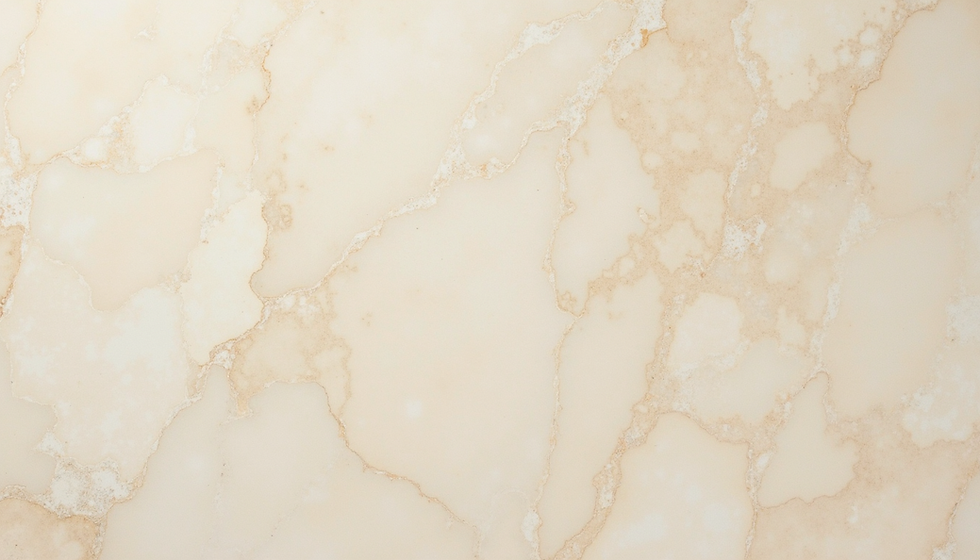
The Architect’s Guide to Sourcing Turkish Marble and Travertine for Beirut Luxury Developments
- 14 Şub
- 3 dakikada okunur
Beirut’s skyline is a testament to the enduring marriage between Mediterranean light and natural stone. From the high-rises of Achrafieh to the coastal villas of Jounieh, specifying the right material is not merely an aesthetic choice—it is a structural and financial imperative. As Lebanese real estate stabilizes in 2026, the demand for high-grade Turkish Travertine, White Marble, and Limra limestone has reached new heights.
For a developer or architect in Beirut, the challenge isn't finding stone; it’s finding consistency. The journey from a quarry in Denizli or Afyon to a job site in Verdun involves complex supply chain hurdles. Understanding the technical specifications of Turkish stone and the logistical nuances of the Beirut Port is essential for maintaining project timelines and luxury standards.
Quick Reference: Stone Selection for Beirut’s Microclimates
1. Technical Superiority: Why Turkish Stone Dominates Beirut
The Lebanese climate, characterized by high humidity and salt spray in coastal regions, is unforgiving to inferior materials. Turkish Limra limestone, for instance, has become the "cladding of choice" for Beirut's luxury apartments because of its uniform white-cream texture and its ability to act as a natural thermal barrier.
Quality Standards for Lebanon:
Water Absorption: For coastal Beirut projects, ensure your Travertine or Limra has a water absorption rate of <1.5%. This prevents salt crystallization that can lead to surface pitting.
Flexural Strength: Essential for the "ventilated facade" systems now popular in Beirut high-rises.
Calibration: When sourcing Beige Marble for large-scale flooring in Beirut hotels, demand a tolerance of ±0.5mm to ensure the "seamless" look expected in 5-star developments.
2. The Damlatas Advantage: Solving the Beirut Supply Chain
Most stone distributors in Lebanon act as simple brokers. This creates a "single-point-of-failure" risk. If a quarry closes or a factory has a machine breakdown, your project stops.
At Damlatas Marble, we utilize a hybrid manufacturing model. By owning our production facilities while maintaining strategic partnerships across Turkey’s most productive quarries, we ensure a "non-stop" supply chain. If one region faces a bottleneck, our logistical network reroutes your order through our secondary partners, ensuring that your Beirut-bound shipments arrive at the port exactly when your contractor needs them.
3. Common Myths About Marble Sourcing in Lebanon
Myth: "Importing directly from Turkey is too risky due to port delays." The Reality: While the Port of Beirut has had historical challenges, the 2026 logistics corridor between Mersin (Turkey) and Beirut is more efficient than ever. By utilizing specialized "marble-ready" containers and pre-clearing documentation (including ISO 9001 and CE certifications), we reduce customs friction. The risk doesn't lie in the geography; it lies in choosing a supplier who doesn't understand Lebanese import Decree 5497.
4. Featured Snippet Optimization: Lebanon Import Checklist
To capture Google’s "Position Zero," here is the essential checklist for Lebanese procurement officers:
Certificate of Origin: Must be legalized for the Lebanese market.
Technical Data Sheets: Must prove compliance with BS EN or ASTM standards.
ISPM-15 Crating: Essential to prevent biological contamination at the port.
Customized Sizing: Prefabricated "cut-to-size" slabs save 30% on local Lebanese labor costs.
Infographic Idea 1: The Denizli-to-Beirut Logistics Flow
Concept: A map showing the direct shipping route from Mersin/Antalya to Beirut, highlighting the quality control checkpoints.
Alt Text: Logistics flow for marble and travertine distribution from Turkey to Beirut Lebanon.

Concept: A comparison chart showing how Limra limestone cladding reduces indoor temperatures in Beirut apartments.
Alt Text: Energy efficiency benefits of Limra limestone cladding for Beirut real estate.
5. Conversion Psychology: Beyond the Aesthetic
In the competitive Beirut real estate market, "Luxury" is no longer enough. Buyers are looking for durability and sustainability. Mentioning that your stone is sourced from quarries with transparent environmental practices can be a major selling point for expatriate investors returning to Lebanon.
This is a standard of quality and ethical sourcing we strictly maintain at Damlatas Marble. We don't just deliver stone; we deliver the peace of mind that your facade will look as pristine in 20 years as it does on move-in day. For more insights into material selection, explore the latest updates on our .
Conclusion: Elevate Your Beirut Project
Whether you are designing a boutique villa in the mountains or a residential tower in Achrafieh, the quality of your stone reflects the quality of your brand. In the Lebanese market, where reputation is everything, settling for "standard" is a risk you cannot afford.
Don’t let supply chain inconsistencies delay your ribbon-cutting. Partner with a distributor that combines Turkish manufacturing power with local Lebanese market expertise.