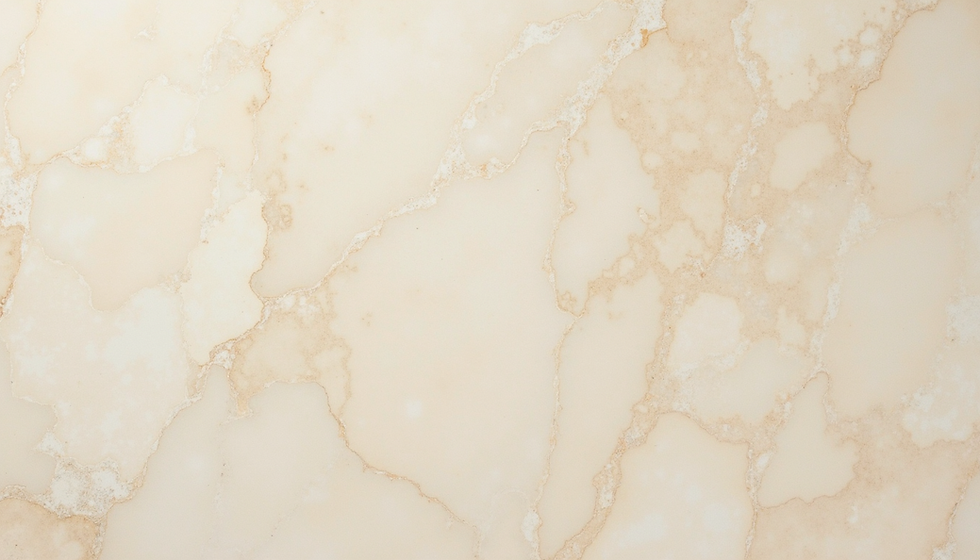
The Architect’s Guide to Sourcing Turkish Travertine: Quality, Logistics, and Quarry Selection
- 9 Şub
- 4 dakikada okunur
The global demand for Turkish travertine is driven by a unique combination of geological variety and centuries of masonry heritage. For architects, developers, and wholesalers, sourcing this material isn't just about finding the right color; it is about navigating a complex supply chain to ensure structural integrity and aesthetic consistency across large-scale projects.

Understanding the Turkish Travertine Landscape
Turkey accounts for nearly 40% of the world's travertine reserves. From the classic ivory tones of Denizli to the deep walnuts of Afyon, the material is prized for its durability and thermal properties. However, the market is saturated with varying quality levels, making a "cheap" quote a potential liability for high-traffic commercial installations.
Featured Snippet: Travertine Quality Checklist
Feature | Premium Grade | Commercial Grade |
Pore Density | Small, infrequent holes | Large, frequent voids |
Color Uniformity | High (minimal veining shifts) | High variance / "Rustic" |
Filling Quality | UV-resistant resin or cement | Air-filled or low-grade mastic |
Thickness Tolerance | +/- 0.5mm | +/- 2.0mm |
Technical Specifications: Vein-Cut vs. Cross-Cut
The aesthetic of your project is dictated by how the travertine block is oriented during the initial sawing process.
Vein-Cut: The block is cut against the natural bedding planes, revealing long, linear "veins." This offers a modern, sophisticated look.
Cross-Cut: The block is cut with the bedding plane. This exposes the "flower" of the stone, resulting in a circular, clouded pattern ideal for Mediterranean or rustic designs.
LSI Keywords for Implementation:
Sedimentary rock formations
Honed and filled finish
Natural stone porosity
Compressive strength standards
ASTM C1527 specifications
5 Critical Factors in Travertine Sourcing
1. Quarry-to-Project Consistency
Travertine is a natural product. A sample from a quarry’s "A-Block" may look vastly different from the material extracted six months later. To mitigate this, ensure your supplier has direct control over the quarry.
2. Filling and Finishing Standards
For interior flooring, travertine is usually "Honed and Filled." The quality of the fill is paramount. Cheap polyester fills can pop out over time due to thermal expansion. High-quality Turkish exporters utilize epoxy resins that bond chemically with the calcium carbonate structure of the stone.
3. Dimensional Accuracy
In the construction industry, a 2mm discrepancy in tile thickness can double the labor cost of installation. High-end production facilities use multi-head calibration machines to ensure every slab is uniform.
This is a standard we strictly maintain at Damlatas Marble, ensuring that our logistics chain in the US and Germany receives only precision-calibrated material.
4. Frost Resistance and Porosity
Travertine is naturally porous. While this makes it an excellent heat-sink for pool decks (remaining cool underfoot), it requires specific density ratings for use in freezing climates. Ensure your supplier provides ASTM testing data for water absorption.
5. Supply Chain Optimization
The "hidden cost" of marble is often the logistics. Sourcing directly from Turkey is cost-effective at the source, but "Last Mile" delivery and breakage during transit can erase those savings. A hybrid model—factory direct with local warehousing—is the only way to guarantee both price and safety.
Common Myths About Turkish Travertine
Myth: Travertine is too soft for high-traffic commercial areas.
The Reality: While travertine is a 3 to 4 on the Mohs scale (softer than granite), its density varies by quarry. When specified correctly—using high-density "Silver" or "Classic" varieties with a proper sealant—it outperforms many synthetic materials in longevity.
Myth: All Turkish Travertine is the same.
The Reality: The "Denizli" label is often used as a catch-all. In truth, there are dozens of sub-strata. Selecting a supplier who owns the quarry ensures you aren't getting "run-of-quarry" leftovers mixed into your premium order.

Logistics: The Damlatas Advantage
The primary pain point for architects is the "Lead Time Gap." Ordering from a factory usually means a 12-week wait. Buying from a local distributor means paying a 40% markup.
By owning both the Turkish quarries and maintaining dedicated warehouses in the US and Germany, we eliminate the middleman while keeping local stock. This hybrid model allows for:
Immediate Availability: Local stock for urgent phases.
Custom Fabrication: Factory-direct pricing for bespoke architectural elements.
Reduced Carbon Footprint: Optimized shipping routes and bulk logistics.
Installation and Maintenance Pro-Tips
To ensure a #1 rank for your project’s durability:
Sealing: Use a high-quality penetrating sealer (solvent-based) rather than a topical coating.
Adhesives: Always use white thin-set mortar. Gray mortar can "shadow" through lighter travertine like Ivory or Silver.
Expansion Joints: In large spans, ensure joints are placed every 20-25 feet to prevent cracking.
Conclusion: Partnering for Success
Sourcing natural stone is an exercise in trust. While the beauty of Turkish travertine is undeniable, the success of your project depends on the technical rigor of your supplier. From the density of the block at the quarry face to the precision of the final hone in the factory, every step requires expert oversight.
At Damlatas Marble, we combine the heritage of Turkish stone extraction with the logistical efficiency of a local partner. Whether you are specifying for a boutique hotel or a residential development, our vertically integrated model ensures that the quality you see in the sample is the quality that arrives at your job site.
Ready to elevate your next project with premium natural stone?