The Ultimate Guide to Choosing Between Turkish and Greek Travertine Slabs
- 16 Nis
- 5 dakikada okunur
Travertine slabs have become a popular choice for natural stone flooring, wall cladding, and outdoor tiles. Their timeless beauty and durability make them ideal for both residential marble flooring and commercial natural stone projects. Among the many options available, Turkish travertine and Greek travertine slabs stand out for their quality and unique characteristics. Choosing between these two can be challenging, especially when you want premium travertine tiles or custom travertine slabs that fit your design vision perfectly.
This guide will help you understand the differences, benefits, and applications of Turkish and Greek travertine, including related stones like ivory travertine, damlatas marble, and pamukkale travertine tiles. Whether you want to buy travertine online or source from natural stone suppliers, this post will clarify your options.
What Is Travertine and Why It Matters
Travertine is a type of natural stone formed by mineral deposits from hot springs or limestone caves. It has a porous texture and comes in various finishes such as honed and filled travertine or tumbled travertine pavers. Travertine is widely used for indoor travertine flooring, travertine bathroom tiles, and outdoor travertine tiles due to its slip resistance and warm, earthy tones.
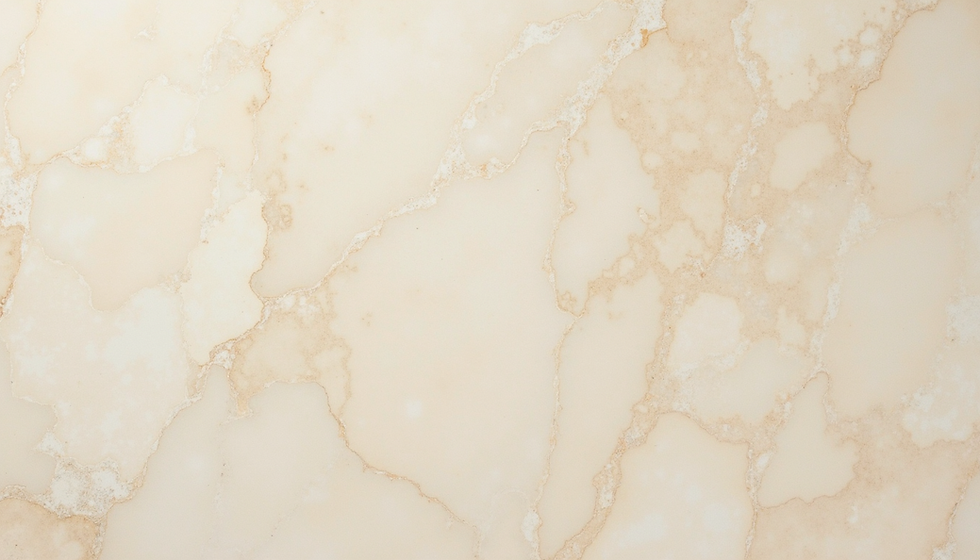
The stone’s appeal lies in its natural patterns and color variations, which range from beige travertine and light cream travertine to ivory travertine. Travertine slabs are cut into tiles or pavers and can be used for marble wall cladding or flooring, offering a luxurious yet natural look.
Origins and Characteristics of Turkish Travertine
Turkish travertine is sourced mainly from regions like Pamukkale, known for its stunning white terraces and mineral-rich deposits. Pamukkale travertine tiles are prized for their light cream and ivory shades, often with subtle veining and a smooth finish.
Key Features of Turkish Travertine
Color Range: Mostly light cream, beige travertine, and ivory tones.
Texture: Smooth with fine pores, often honed and filled for a polished look.
Durability: Strong and resistant to weathering, suitable for outdoor travertine tiles and indoor flooring.
Varieties: Includes damlatas marble and damlatas marble slabs, which are a type of Turkish travertine with unique patterns.
Turkish travertine is favored for its consistent color and fine grain, making it a top choice for luxury marble tiles and travertine bathroom tiles. It also performs well as travertine pavers in outdoor settings due to its durability.
Characteristics of Greek Travertine and Its Appeal
Greek travertine slabs come from quarries in regions with rich geological history. Greek travertine is known for its warm beige and cream tones, often with more pronounced veining and natural texture compared to Turkish travertine.
Key Features of Greek Travertine
Color Range: Warm beige travertine and light cream shades with natural veining.
Texture: More porous and textured, often used in tumbled travertine pavers for a rustic look.
Durability: Suitable for both indoor travertine flooring and outdoor tiles, though it may require sealing.
Varieties: Greek travertine slabs are often thicker and larger, ideal for custom travertine slabs in high-end projects.
Greek travertine offers a classic Mediterranean aesthetic, making it popular for marble wall cladding and residential marble flooring. Its natural texture adds character to spaces, especially when used as travertine pavers or outdoor travertine tiles.

Comparing Turkish Travertine and Greek Travertine Slabs
When deciding between Turkish travertine and Greek travertine slabs, consider the following factors:
1. Appearance and Color
Turkish Travertine: Offers lighter, more uniform colors such as ivory travertine tiles and light cream travertine. It has a polished, refined look.
Greek Travertine: Features warmer beige tones with more visible veining and texture, giving a natural, rustic feel.
2. Texture and Finish
Turkish travertine is often honed and filled, resulting in a smooth surface ideal for indoor travertine flooring and luxury marble tiles.
Greek travertine tends to be more porous and textured, commonly used in tumbled travertine pavers and outdoor travertine tiles.
3. Durability and Maintenance
Both stones are durable, but Turkish travertine’s denser structure makes it slightly more resistant to wear and weather.
Greek travertine may require more frequent sealing, especially in outdoor or high-traffic commercial natural stone applications.
4. Availability and Cost
Turkish travertine, including damlatas marble slabs and pamukkale travertine tiles, is widely available and often competitively priced.
Greek travertine slabs, due to their size and unique patterns, can be more expensive but offer a distinctive look.
Applications for Turkish and Greek Travertine
Both types of travertine slabs suit a variety of uses, but their characteristics make them better suited for specific applications.
Turkish Travertine Best Uses
Indoor travertine flooring in kitchens, living rooms, and bathrooms.
Travertine bathroom tiles for a clean, elegant look.
Outdoor travertine tiles and travertine pavers in patios and pool surrounds.
Marble wall cladding in commercial natural stone projects.
Custom travertine slabs for luxury marble tiles and bespoke designs.
Greek Travertine Best Uses
Residential marble flooring with a natural, warm aesthetic.
Tumbled travertine pavers for rustic outdoor spaces.
Outdoor travertine tiles in gardens and walkways.
Accent walls and marble wall cladding with textured finishes.
Projects requiring larger slabs with unique veining.
How to Buy Travertine Online and Choose the Right Supplier
Buying travertine online offers convenience but requires careful selection to ensure quality.
Tips for Buying Travertine Online
Request detailed photos and samples of italian travertine tiles, turkish travertine, or greek travertine slabs.
Verify the finish options: honed and filled travertine, tumbled travertine pavers, or polished surfaces.
Check the supplier’s reputation and reviews for natural stone suppliers.
Confirm slab sizes and thickness, especially for custom travertine slabs.
Ask about shipping, packaging, and return policies.
Italian travertine and damlatas marble slabs are also popular options to compare when sourcing natural stone flooring. Some suppliers specialize in premium travertine tiles and luxury marble tiles, offering a wide range of colors from beige travertine to ivory travertine tiles.
Caring for Your Travertine Slabs
Proper care extends the life and beauty of your travertine slabs.
Clean regularly with pH-neutral cleaners designed for natural stone.
Seal the stone periodically to protect against stains and moisture.
Avoid harsh chemicals or acidic substances that can damage the surface.
For outdoor travertine tiles and pavers, inspect for cracks or chips and repair promptly.
Choosing between Turkish and Greek travertine slabs depends on your aesthetic preferences, project requirements, and budget. Turkish travertine offers a refined, lighter look with excellent durability, while Greek travertine provides warm tones and natural texture for a rustic charm. Both stones excel in indoor and outdoor applications, from travertine bathroom tiles to commercial natural stone projects.
Explore options like damlatas marble slabs, pamukkale travertine tiles, and italian travertine tiles to find the perfect match. When buying travertine online, work with trusted natural stone suppliers to ensure you receive premium travertine tiles that meet your expectations.