Direct Sourcing Premium Marble Tiles in the Netherlands and Belgium: The 2026 Guide to Quality and Logistics
- 8 Nis
- 4 dakikada okunur
The demand for authentic marble tiles across the Benelux region has shifted. In 2026, Dutch and Belgian architects and D2C brands are moving away from cold, clinical whites toward "warm luxury"—stones with honey veining, deep burgundies, and tactile travertines. However, the challenge remains the same: how do you secure high-quality natural stone without the middleman markups or the 4-week sea-freight wait?
At Damlatas Marble, we have spent 30 years refining the bridge between Turkish quarries and European doorsteps. Whether you are searching for marmeren tegels for a canal house renovation in Amsterdam or large-format slabs for a corporate lobby in Brussels, understanding the nuances of sourcing, GSM (grams per square meter) density, and logistics is critical to a successful project.
Featured Snippet: Quick Guide to Marble Sourcing in Benelux
Factor | Specification / Detail |
Common Dutch Keywords | Marmeren tegels, natuursteen, badkamer tegels, vloertegels |
Shipping Time | 6–7 Days via dedicated truck (Turkey to NL/BE) |
Top 2026 Trends | Warm neutrals (Crema Marfil), Deep Greens (Tinos), Travertine |
Quality Standard | ASTM/EN Standards, calibrated thickness (±0.5mm) |
Sustainability | Low carbon footprint via direct road transport vs. sea freight |
1. Understanding the Market: Why Local Language Matters
When sourcing marble tiles in the Netherlands, the search intent is often specific. Dutch customers looking for high-end finishes often use terms like "marmeren tegels" for indoor flooring or "natuursteen" (natural stone) when discussing outdoor terraces and pool sides. In Belgium, the focus often leans toward "keramiek" (ceramic) alternatives, but the trend for 2026 is a return to the "real thing"—authentic marble that offers a soul and patina that porcelain cannot replicate.
By focusing on local terminology, we ensure that our supply chain matches the specific aesthetic requirements of the region, from the sleek minimalism of Rotterdam lofts to the classic elegance of Antwerp townhomes.
2. Technical Excellence: GSM, Calibration, and Finish
In the construction industry, "marble" is a broad term, but quality is found in the technical data. When evaluating tiles, you must look at:
Calibration: For a seamless finish, especially with flooring tiles, ensure the tiles are calibrated to a tolerance of ±0.5mm. This allows for the ultra-thin grout lines preferred in modern Dutch architecture.
Density & Water Absorption: High-quality marble should have a water absorption rate of less than 0.2%. This is vital for the damp climates of the Netherlands and Belgium to prevent staining and frost damage in outdoor applications.
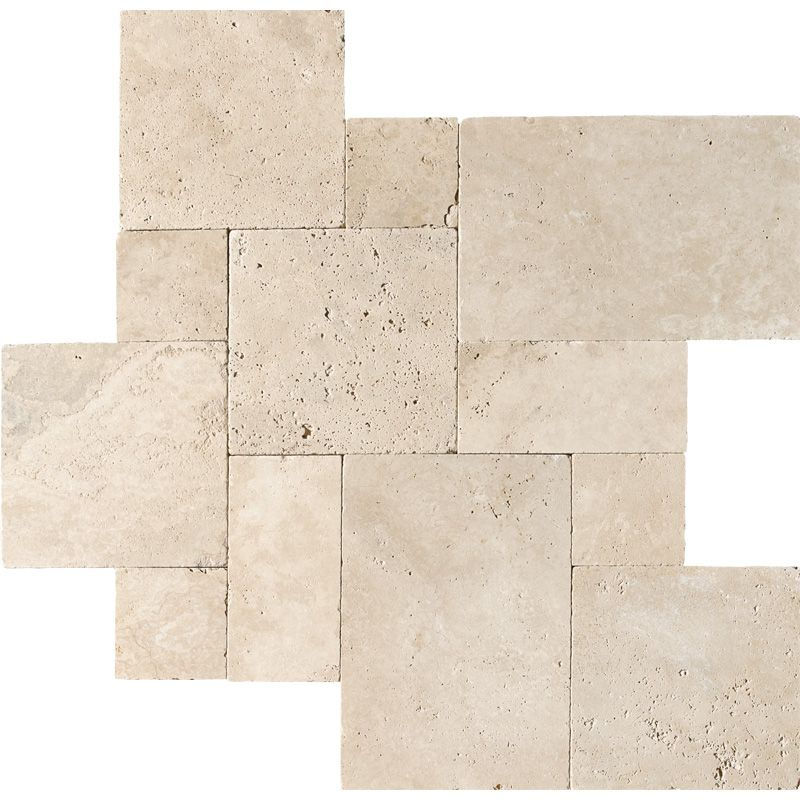
Finish Types: While gepolijst (polished) is classic, the 2026 trend is gezoet (honed) or getrommeld (tumbled) for a softer, more "humane" feel underfoot.
3. The Damlatas Advantage: A Hybrid Supply Model
Most suppliers are either "brokers" with no quality control or "single factories" with limited stock. Damlatas Marble operates a hybrid manufacturer model. We own our primary factory but maintain a partner network across 6 countries.
Why does this matter for your project?
Supply Chain Resilience: If a specific quarry in Afyon faces a production delay, our network allows us to source identical material from partner quarries without stalling your project.
Diverse Inventory: We can combine different stones—such as Turkish Travertine and Italian Carrara—into a single shipment, simplifying your logistics.
Direct Truck Delivery: Because we understand the urgency of the Holland market, we utilize a dedicated truck network that delivers from our facility to your site in 6–7 days.
4. Common Myths About Marble Tiles
Myth: Marble is too "soft" for high-traffic Dutch homes.
The Reality: While marble is a natural stone, its "softness" is often exaggerated. When properly sealed with a high-quality impregnator, marble is incredibly durable. In fact, many historic buildings in Amsterdam have featured marble entryways for over a century. The key is choosing the right finish; a honed surface masks scratches far better than a high-gloss finish.
Myth: Buying direct from Turkey takes months.
The Reality: For the Netherlands and Belgium, this is false. While sea freight to the Americas takes weeks, our road logistics are optimized for Europe. You can receive custom-cut marmeren tegels faster than many local distributors can restock their warehouses.
Sourcing for D2C Brands and Corporate Projects
If you are a D2C brand or a developer for summer houses and pool sides, consistency is your biggest risk. Our hybrid model ensures that the flooring tiles you order today will match the batch you order six months from now. We provide full traceability and certifications (CE marking) to ensure compliance with EU construction regulations.
For projects in Holland, we specifically recommend our latest collection of warm-toned stones. These pair perfectly with the natural light found in Northern Europe, creating an inviting atmosphere that colder, grey stones often fail to achieve.
Conclusion: Start Your Marble Project Today
Selecting the right stone is only half the battle; the other half is choosing a partner who understands the logistics of the Benelux market. With our 30 years of experience and our specialized 7-day truck delivery to the Netherlands and Belgium, Damlatas Marble is uniquely positioned to bring your vision to life. Don't settle for generic flooring tiles when you can have factory-direct, premium natural stone tailored to your specific architectural needs.
Ready to elevate your next project with the world’s finest marble?


