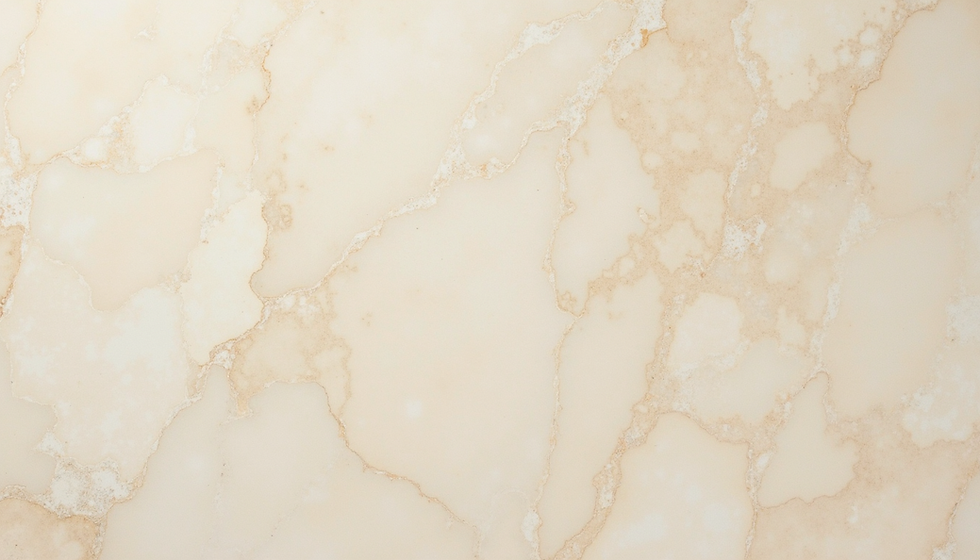
Exploring the Unique Beauty of Ivory Travertine Cross Cut and Vein Cut from Damlataş Kocabaş Quarry
- 15 Haz
- 3 dakikada okunur
Travertine has long been prized for its natural elegance and durability, making it a popular choice in architecture and interior design. Among the many varieties, Ivory Travertine from the Damlataş Kocabaş quarry in Denizli, Turkey, stands out for its distinctive patterns and warm tones. This post explores the unique characteristics of two cutting styles—cross cut and vein cut—and why they matter for designers, builders, and homeowners seeking timeless stone surfaces.
Understanding Ivory Travertine from Damlataş Kocabaş Quarry
The Damlataş Kocabaş quarry is located in Denizli, a region renowned for its rich mineral deposits and high-quality natural stones. Ivory Travertine extracted here is known for its creamy beige color, subtle texture, and natural variations that add depth and character to any space.
Travertine forms through mineral deposits in hot springs and limestone caves, creating a porous stone with natural pits and holes. The quarry’s unique geological conditions produce Ivory Travertine with a consistent color palette and fine grain, making it highly sought after worldwide.
What Makes Cross Cut and Vein Cut Different?
The way travertine is cut from the quarry block significantly affects its appearance. Two common cutting methods are cross cut and vein cut, each revealing different patterns and textures.
Cross Cut Travertine
Cross cut travertine is sliced perpendicular to the stone’s natural bedding planes. This method exposes the stone’s concentric rings and circular patterns, often resembling tree rings or ripples in water. The result is a more uniform and subtle look with soft tonal shifts.
Key features of cross cut Ivory Travertine:
Circular or oval patterns
Softer, more consistent texture
Ideal for flooring and wall cladding where a calm, elegant look is desired
Vein Cut Travertine
Vein cut travertine is sliced parallel to the bedding planes, revealing long, linear veins that run through the stone. This cut highlights the stone’s natural striations and creates dramatic, flowing lines that add movement and visual interest.
Key features of vein cut Ivory Travertine:
Linear, flowing veins
More dynamic and bold appearance
Suitable for feature walls, countertops, and decorative accents
Practical Uses and Design Applications
Both cross cut and vein cut Ivory Travertine from Damlataş Kocabaş quarry offer versatile options for various design needs. Understanding their visual impact helps in choosing the right cut for a project.
Flooring and Wall Cladding
Cross cut travertine’s subtle patterns make it a perfect choice for large floor areas and wall cladding. Its uniform look creates a serene atmosphere, ideal for living rooms, bathrooms, and commercial spaces like hotels or offices.
Feature Walls and Countertops
Vein cut travertine adds drama and sophistication. Designers often use it for feature walls, fireplace surrounds, and kitchen countertops where the stone’s natural veins become a focal point.
Outdoor Spaces
Travertine’s durability and slip resistance make it suitable for patios, pool surrounds, and garden paths. Both cuts can be used outdoors, but cross cut is often preferred for a more understated look that blends with natural surroundings.
Benefits of Choosing Ivory Travertine from Damlataş Kocabaş Quarry
Consistent Quality: The quarry’s strict extraction and processing standards ensure uniform color and texture.
Natural Beauty: The stone’s warm ivory tones complement a wide range of interior styles, from classic to modern.
Durability: Travertine withstands heavy foot traffic and weather conditions when properly sealed.
Sustainability: Quarrying in Denizli follows environmental regulations to minimize impact.
Tips for Maintenance and Care
Travertine is porous and requires sealing to protect against stains and moisture. Regular cleaning with pH-neutral products preserves its natural beauty. Avoid acidic cleaners that can etch the surface.
For outdoor installations, resealing every 1-2 years helps maintain durability. Indoors, sealing every 2-3 years is usually sufficient.
Final Thoughts on Ivory Travertine Cross Cut and Vein Cut
Choosing between cross cut and vein cut Ivory Travertine from the Damlataş Kocabaş quarry depends on the desired aesthetic and application. Cross cut offers a calm, consistent look, while vein cut provides striking linear patterns that command attention.