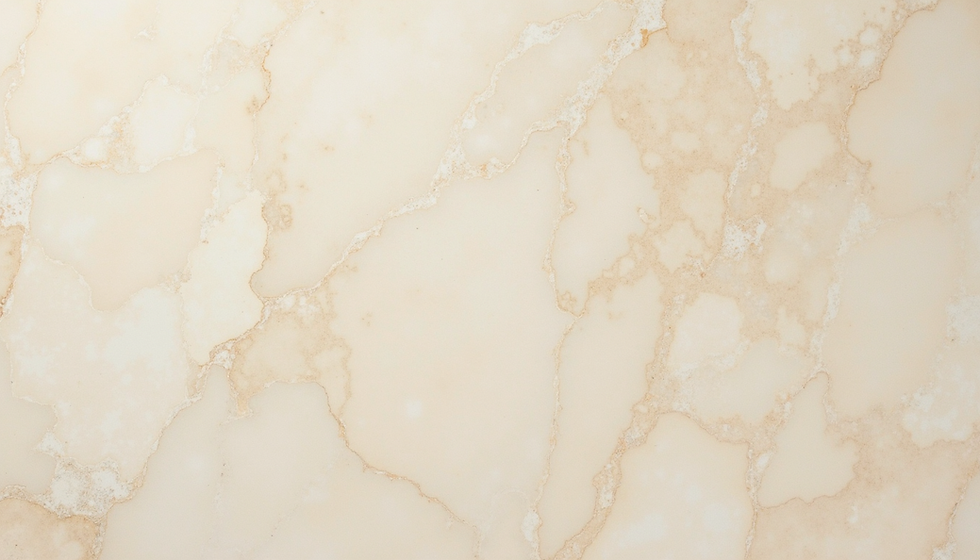
Pamukkale Travertine: From Natural Wonder to Premium Building Stone
- 5 Mar
- 5 dakikada okunur
Every year, millions of tourists visit Pamukkale to see its iconic white terraces. What many people do not realize is that the same geological formation responsible for this natural wonder also produces one of the most sought-after natural stones in the global construction industry: Pamukkale travertine.
For architects, contractors, property developers, and homeowners, this stone is more than a tourist attraction. It is a durable, elegant, and sustainable building material widely used in luxury villas, swimming pools, commercial buildings, and high-end interior design projects.

At Damlatas Marble, our travertine quarries are located in the same geological region as Pamukkale, giving us direct access to the original source of this iconic stone. That proximity allows us to maintain strict quality standards while ensuring reliable global supply.
This guide explains everything you need to know about Pamukkale travertine, including how it forms, why builders prefer it, and how to select the right travertine tiles for your project.

What Is Pamukkale Travertine?
Pamukkale travertine is a natural limestone formed by calcium carbonate deposits from thermal spring water. Over thousands of years, mineral-rich water flowing down the hills around Pamukkale created both:
The famous white terraces
The travertine stone layers extracted from nearby quarries
The same geological process that attracts tourists also produces one of the most durable and versatile natural stones used in construction today.
Quick Definition (Featured Snippet Optimization)
Feature | Explanation |
Stone Type | Natural Travertine Limestone |
Origin | Pamukkale Region, Denizli, Turkey |
Formation | Calcium carbonate deposits from thermal springs |
Common Uses | Flooring tiles, pool decks, wall cladding, bathrooms |
Finish Options | Honed, brushed, tumbled, polished |
Key Advantage | Natural slip resistance and timeless appearance |
Because of its light ivory color and natural texture, Pamukkale travertine is widely used in:
Luxury villas
Resort swimming pools
Bathroom flooring
Hotel lobbies
Outdoor patios
Architectural facades

Why Pamukkale Travertine Is So Popular in Construction
Architects and builders worldwide choose Pamukkale travertine because it combines aesthetic beauty with practical performance.
1. Natural Slip Resistance
Travertine naturally contains small pores and texture variations. When finished with brushed or tumbled surfaces, it becomes highly slip-resistant.
This makes it ideal for:
Poolside flooring
Outdoor terraces
Spa areas
Walkways
2. Temperature Stability
Unlike many artificial materials, travertine does not absorb heat easily. Even under strong sunlight, the surface stays comfortable.
This is why Mediterranean homes and summer houses often use travertine around pools and patios.
3. Structural Durability
Properly quarried and processed travertine offers excellent structural performance:
High compressive strength
Resistance to weathering
Long lifespan in exterior applications
Roman structures built with travertine are still standing after 2,000 years.
4. Timeless Architectural Aesthetics
Pamukkale travertine typically features soft ivory and cream tones, making it easy to integrate with various architectural styles:
Modern minimalist villas
Mediterranean summer homes
Luxury hotels
Corporate buildings
Because the stone is natural, each tile has unique patterns, creating a sophisticated and organic look.
From Quarry to Construction: How Travertine Is Produced
Understanding the production process helps buyers identify high-quality travertine tiles.
Step 1: Quarry Extraction
Large blocks are extracted from travertine quarries using diamond wire cutting machines to prevent fractures.
This method preserves structural integrity.
Step 2: Block Selection
Not all blocks are equal. Premium suppliers inspect:
Density
Color consistency
Vein structure
Porosity
Only the most stable blocks proceed to production.
Step 3: Slab Cutting
Blocks are cut into large slabs using multi-blade gang saws.
Slabs are then processed into travertine tiles or custom dimensions.
Typical sizes include:
40 × 60 cm
60 × 60 cm
French pattern sets
Custom project sizes
Step 4: Surface Finishing
Travertine tiles can be finished in different ways depending on application.
Common finishes include:
Finish | Best Use |
Honed | Interior flooring |
Brushed | Pool decks |
Tumbled | Rustic patios |
Polished | Wall cladding |
When clients explore options for flooring tiles, travertine is often chosen because it combines durability with natural texture.(Internal link suggestion: https://www.damlatasmarble.com/)
Choosing the Right Travertine Tiles for Your Project
Selecting travertine is not just about color. Professional buyers evaluate several key factors.
1. Stone Density
Higher density means:
Better durability
Lower water absorption
Improved freeze resistance
2. Tile Thickness
Common construction thicknesses include:
1.2 cm tiles – interior floors and walls
2 cm tiles – exterior floors and patios
3 cm slabs – heavy traffic areas
3. Edge Profiles
Edges influence both safety and design.
Popular options include:
Bullnose edges (pool coping)
Straight cut
Beveled edges
4. Installation Pattern
Travertine allows multiple layout styles:
French Pattern
Grid layout
Running bond
Modular patterns
Each style creates a different architectural aesthetic.
The Damlatas Marble Advantage
Travertine supply chains can be unpredictable.
Quarries may face:
Production limitations
Export bottlenecks
Quality variations
This is where Damlatas Marble’s hybrid manufacturing model creates a major advantage.
Our structure combines:
Our own factory operations
A partner network across 6 countries
This system allows us to:
Maintain consistent quality control
Scale production for large projects
Avoid supply disruptions
Offer competitive logistics solutions worldwide
It is also why we can reliably deliver premium travertine tiles to clients across four continents.
This is a standard we strictly maintain at Damlatas Marble when sourcing and producing travertine for international projects.
Common Myths About Travertine
Even experienced buyers sometimes misunderstand this material.
Myth 1: Travertine Is Too Porous for Outdoor Use
Reality:Properly sealed travertine performs extremely well outdoors.
In fact, it is widely used for:
Pool decks
Patios
Hotel landscapes
Myth 2: Travertine Requires Constant Maintenance
Reality:With modern sealers, travertine maintenance is minimal.
Most installations require only:
Occasional resealing
Basic cleaning
Myth 3: All Travertine Is the Same
Reality:Quality varies significantly depending on:
Quarry location
Block density
Processing techniques
Travertine from the Pamukkale geological region is considered among the highest-quality sources globally.
Why Builders Prefer Travertine Over Artificial Stone
Synthetic materials try to replicate natural stone, but they cannot match its performance.
Travertine offers several advantages:
Natural sustainability
No chemical manufacturing processes.
Unique visual character
Each tile is naturally distinct.
Long lifespan
Natural stone can last decades with minimal maintenance.
Better resale value
Properties built with natural stone materials often command higher prices.
Suggested Visuals for This Article
1. Quarry-to-Tile Production Diagram
Infographic Idea
Show the travertine journey:
Quarry → Block → Slab → Tile → Construction
SEO Alt Text
“Pamukkale travertine quarry to tile production process diagram”
2. Travertine Application Comparison Chart
Infographic Idea
Compare travertine uses:
Pool deck
Bathroom floor
Patio
Wall cladding
SEO Alt Text
“Best applications for Pamukkale travertine tiles in construction”
Internal Linking Opportunities
Add internal links at these locations:
When discussing flooring tiles→ Link to: https://www.damlatasmarble.com/
During the Damlatas Advantage section→ Link to company service page.
At the end of the article CTA→ Link to quote request page.
Conclusion: Why Pamukkale Travertine Is a Smart Investment
Pamukkale travertine is more than a natural wonder. It is one of the most reliable and visually striking natural stones used in modern architecture.
Its durability, slip resistance, temperature stability, and timeless aesthetics make it ideal for:
Luxury homes
Resort developments
Pool areas
Commercial buildings
Because our quarries are located in the same geological region as Pamukkale, Damlatas Marble has direct access to this premium material while maintaining strict quality control through our hybrid global production network.
Whether you are designing a summer house, hotel project, or residential renovation, choosing the right travertine supplier makes a major difference in quality, logistics, and long-term performance.
If you are planning a project using Pamukkale travertine tiles, the next step is simple.
Start your project today — Get in touch with us.