Pamukkale Travertine The Ideal Stone for Modern Architecture and Industrial Applications
- 22 Nis
- 4 dakikada okunur
Pamukkale Travertine is often admired as a stunning natural wonder and tourist landmark in Turkey. Yet, beyond its breathtaking terraces and pools, this unique stone holds untapped potential as a durable, versatile material for modern architecture and industrial use. Its structural qualities make it an excellent choice for pool decks, high-traffic pavements, and Mediterranean-style villas. This guide explores why Pamukkale Travertine deserves recognition not just for its beauty but also for its strength and functionality in construction.

What Makes Pamukkale Travertine Unique
Travertine is a form of limestone deposited by mineral springs, especially hot springs. Pamukkale Travertine stands out because of its distinctive formation process and mineral composition. The stone is primarily composed of calcium carbonate, which crystallizes into a porous yet strong structure. This natural porosity gives the stone a lightweight quality without sacrificing durability.
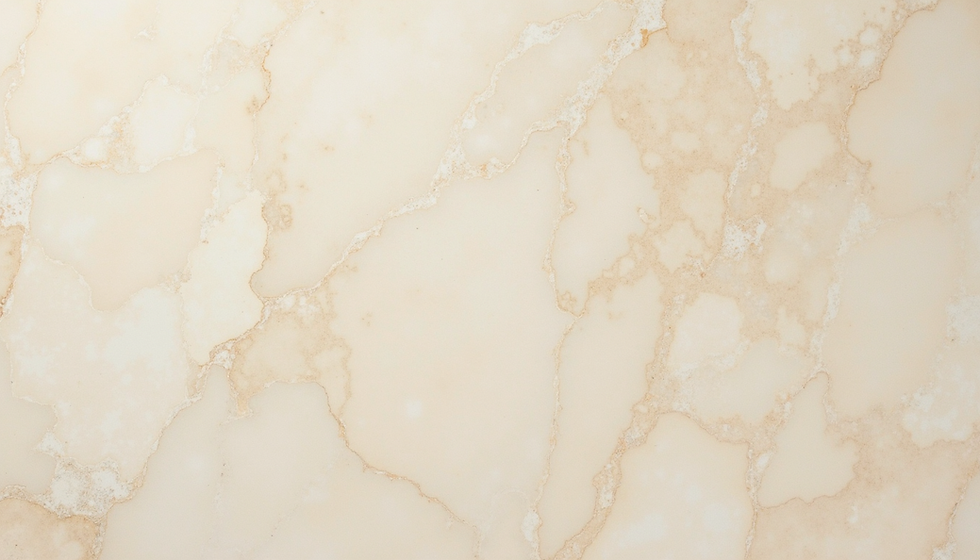
The white, creamy color of Pamukkale Travertine, often with subtle beige or honey tones, adds to its appeal. This color palette fits perfectly with Mediterranean and contemporary architectural styles, providing a natural, elegant look that complements outdoor and indoor spaces alike.
Structural Advantages of Pamukkale Travertine
Durability and Strength
Pamukkale Travertine offers excellent compressive strength, making it suitable for surfaces that endure heavy loads and constant use. Tests show that high-quality travertine can withstand pressures of up to 120 MPa (megapascals), which is comparable to many types of granite and marble used in construction.
Its natural resistance to cracking and chipping means it maintains integrity over time, even in areas exposed to weather changes or mechanical stress. This makes it ideal for pool decks and pavements where safety and longevity are critical.
Slip Resistance and Safety
The porous surface of Pamukkale Travertine provides natural slip resistance, an important feature for wet environments such as pool surrounds. Unlike polished stones that become slippery when wet, travertine’s texture offers grip, reducing the risk of accidents.
This characteristic also benefits high-traffic pavements, where pedestrian safety is a priority. The stone’s ability to maintain traction underfoot makes it a practical choice for commercial and residential outdoor flooring.
Thermal Comfort
Travertine has low thermal conductivity, meaning it does not absorb or retain heat as much as other stones. This property keeps surfaces cooler under direct sunlight, enhancing comfort for bare feet around pools or patios. In hot climates, this can reduce the need for additional cooling measures, making travertine an energy-efficient option.
Easy Maintenance and Longevity
Pamukkale Travertine requires minimal maintenance compared to other natural stones. Its dense surface resists stains and weathering when properly sealed. Routine cleaning with mild detergents is sufficient to keep it looking fresh.
Over decades, travertine ages gracefully, developing a natural patina that adds character without compromising strength. This longevity makes it a cost-effective investment for builders and homeowners.
Applications in Modern Architecture
Pool Decks
Pool decks demand materials that combine beauty, durability, and safety. Pamukkale Travertine meets all these requirements. Its slip-resistant surface protects swimmers, while its heat-resistant properties keep the deck comfortable in summer.
Architects often choose travertine for its seamless integration with water features. The stone’s natural hues blend with pool water and surrounding landscaping, creating a cohesive and inviting outdoor space.
High-Traffic Pavements
Urban and commercial pavements face constant wear from foot traffic, weather, and sometimes vehicles. Pamukkale Travertine’s strength and resilience make it suitable for these demanding environments.
Its ability to withstand freeze-thaw cycles without cracking is particularly valuable in regions with seasonal temperature changes. Additionally, the stone’s aesthetic appeal enhances public spaces, combining function with style.
Mediterranean-Style Villas
The Mediterranean architectural style emphasizes natural materials, earthy colors, and outdoor living spaces. Pamukkale Travertine fits perfectly within this design ethos.
Used for flooring, wall cladding, and terraces, the stone adds authenticity and warmth. Its natural texture complements stucco walls, terracotta roofs, and wrought iron details typical of Mediterranean homes.
Case Studies Demonstrating Pamukkale Travertine’s Performance
Residential Pool Renovation in Antalya, Turkey
A villa owner in Antalya replaced old concrete pool decking with Pamukkale Travertine slabs. The new deck improved safety due to the stone’s slip resistance and reduced heat retention, allowing comfortable use even during peak summer.
The project also enhanced the villa’s aesthetic, increasing property value. The travertine’s durability meant the owner avoided frequent repairs common with previous materials.
Commercial Pavement in Izmir
A busy pedestrian plaza in Izmir installed Pamukkale Travertine for its pavements. The stone’s ability to handle heavy foot traffic and resist weathering proved cost-effective over five years.
Maintenance costs dropped, and the plaza’s appearance remained pristine, attracting more visitors and supporting local businesses.
Mediterranean Villa in Bodrum
An architect designing a Mediterranean-style villa in Bodrum selected Pamukkale Travertine for floors and outdoor terraces. The stone’s natural tones matched the villa’s color scheme, while its durability ensured long-term performance.
The villa’s outdoor areas became comfortable and visually appealing, showcasing travertine’s role in blending beauty with function.
Installation and Care Tips for Best Results
Sealing: Apply a high-quality sealant to protect against stains and moisture penetration. Reapply every 1-2 years depending on exposure.
Cleaning: Use pH-neutral cleaners and avoid harsh chemicals that can damage the stone’s surface.
Cutting and Finishing: Work with experienced masons familiar with travertine to achieve precise cuts and finishes that enhance slip resistance.
Drainage: Ensure proper drainage in outdoor installations to prevent water pooling, which can affect stone longevity.
Regular Inspection: Check for cracks or chips periodically and repair promptly to maintain structural integrity.
Environmental Benefits of Using Pamukkale Travertine
Pamukkale Travertine is a natural stone sourced locally in Turkey, reducing transportation emissions compared to imported materials. Its long lifespan means fewer replacements and less waste over time.
The stone’s thermal properties can contribute to energy savings by reducing the need for artificial cooling in outdoor spaces. Additionally, travertine is recyclable and can be repurposed in landscaping or construction projects.
Why Architects and Builders Should Choose Pamukkale Travertine
Combines strength and beauty in one material
Offers natural slip resistance for safety
Maintains thermal comfort in hot climates
Requires low maintenance and lasts for decades
Fits perfectly with Mediterranean and modern designs
Supports sustainable building practices
Pamukkale Travertine is more than a scenic landmark. It is a practical, reliable stone that meets the demands of modern architecture and industrial applications.