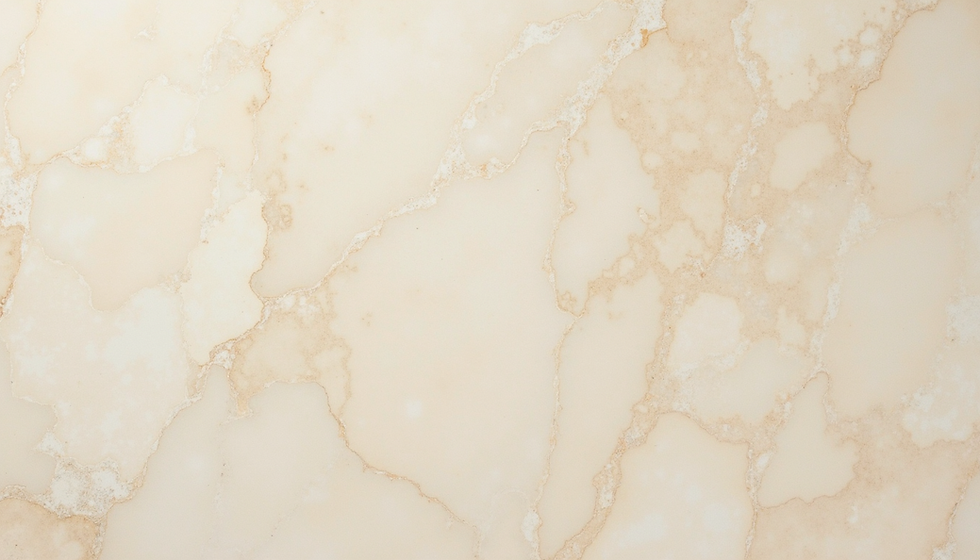
Ultimate Buying Guide for Travertine Tiles in the UK
- 11 Haz
- 3 dakikada okunur
Travertine tiles offer a timeless, natural beauty that enhances any home or commercial space. If you are considering travertine flooring or wall tiles, understanding the different types, finishes, grades, and costs is essential. This guide covers everything you need to know to make an informed choice when buying travertine tiles in the UK.

How to Choose Travertine Tiles
Choosing travertine tiles depends on your style preferences, the room’s function, and maintenance expectations. Travertine is a natural stone with unique patterns and colours, ranging from creamy beige to warm browns and reds. Here are key factors to consider:
Location: Travertine works well indoors and outdoors but is best suited for low to medium traffic areas indoors.
Finish: Decide between honed or polished finishes based on the look and slip resistance you want.
Tile Size: Larger tiles create a spacious feel, while smaller tiles suit intricate designs.
Colour and Pattern: Choose a colour that complements your décor. Travertine’s natural veining means no two tiles are identical.
Maintenance: Travertine requires sealing to protect against stains and moisture.
Travertine vs Marble Flooring
Travertine and marble are both popular natural stones but differ in appearance, durability, and cost.
Appearance: Travertine has a porous, matte look with natural pits and holes, while marble is smoother and often more polished with dramatic veining.
Durability: Marble is generally harder and more resistant to scratches, but travertine is more slip-resistant due to its texture.
Cost: Travertine tends to be more affordable than marble in the UK market.
Maintenance: Both require sealing, but marble can be more sensitive to acidic cleaners.
Travertine suits rustic, Mediterranean, or classic interiors, while marble fits modern, luxurious spaces.
Travertine vs Porcelain Tiles in the UK
Porcelain tiles are a popular alternative to natural stone, including travertine. Here’s how they compare:
Material: Porcelain is a man-made ceramic tile, while travertine is a natural stone.
Durability: Porcelain is harder, less porous, and more resistant to stains and moisture.
Appearance: Porcelain can mimic travertine’s look but lacks the natural texture and variation.
Cost: Porcelain tiles are often cheaper and easier to maintain.
Installation: Porcelain is lighter and easier to cut, but travertine offers a unique natural aesthetic.
If you want the look of travertine with lower maintenance, porcelain is a good choice. For authentic natural stone, travertine remains unmatched.
Honed vs Polished Travertine
The finish of travertine tiles affects their look and feel:
Honed Travertine
- Matte, smooth surface without shine
- Less slippery, ideal for bathrooms and kitchens
- Shows natural texture and colour variations
- Easier to maintain in high-traffic areas
Polished Travertine
- Glossy, reflective surface
- Enhances colour depth and veining
- More slippery, better for low-traffic or decorative areas
- Requires more frequent sealing to maintain shine
Choose honed for practicality and polished for elegance.
Filled vs Unfilled Travertine
Travertine naturally contains holes and pits. These can be left unfilled or filled with resin or grout:
Unfilled Travertine
- Natural, rustic look with visible holes
- More porous and prone to dirt accumulation
- Requires more maintenance and sealing
- Suitable for outdoor or rustic designs
Filled Travertine
- Holes filled for a smoother surface
- Easier to clean and maintain
- More suitable for indoor flooring and walls
- Offers a more polished, refined appearance
Most UK homeowners prefer filled travertine for indoor use due to ease of maintenance.
Travertine Grades Explained
Travertine tiles come in different grades based on quality and appearance:
Commercial Grade
- Lower grade with more imperfections and colour variation
- Suitable for budget projects or outdoor use
- Less uniform in size and finish
Premium Grade (First Choice)
- Higher quality with consistent colour and fewer flaws
- Uniform size and finish
- Ideal for indoor flooring and high-end projects
- More expensive but offers better durability and aesthetics
Choosing the right grade depends on your budget and where you plan to install the tiles.
How Much Do Travertine Tiles Cost in the UK?
Travertine tile prices vary depending on grade, finish, size, and supplier. Here’s a rough guide to costs per square metre:
Commercial Grade: £25 to £40 per m²
Premium Grade: £40 to £70 per m²
Polished Finish: Typically at the higher end of the price range
Honed Finish: Slightly cheaper than polished
Additional costs include installation, sealing, and underlay materials. Labour can add £30 to £50 per m² depending on complexity.
Travertine Price per m² in the UK
When budgeting for travertine tiles, consider:
Tile Size: Larger tiles may cost more but reduce grout lines.
Finish and Grade: Premium polished tiles cost more than commercial honed tiles.
Supplier Location: Prices vary across the UK; London and the South East tend to be higher.
Installation: Professional fitting is recommended to avoid damage.
On average, expect to pay between £35 and £60 per m² for good quality travertine tiles including installation.