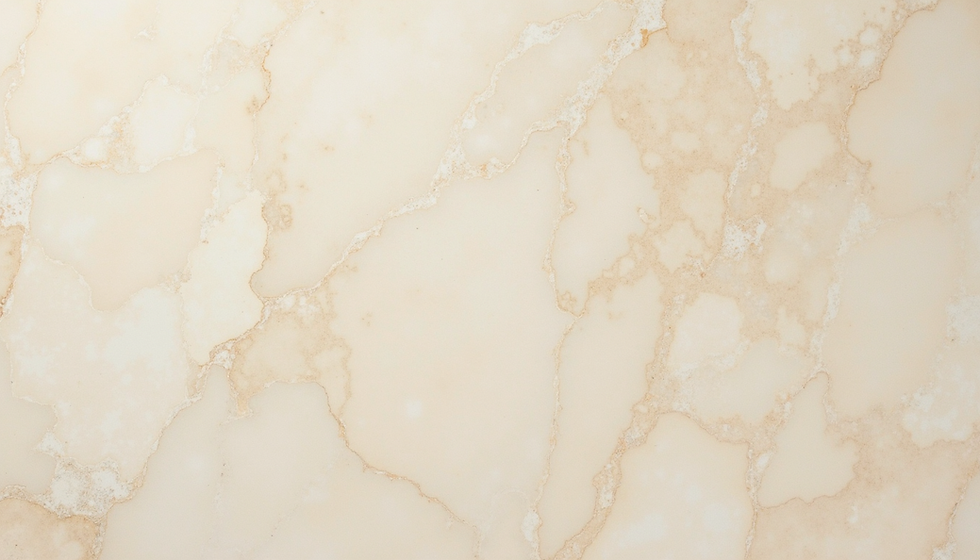
Exploring the Best Ivory Travertine Suppliers and Quarries in Turkey
- 15 Haz
- 3 dakikada okunur
Ivory travertine stands out as a timeless natural stone, prized for its warm, creamy tones and versatile use in architecture and design. Turkey has become a leading source of this elegant material, thanks to its rich geological formations and skilled producers. For anyone searching for high-quality ivory travertine, understanding the top suppliers, producers, and quarries in Turkey is essential. This post explores the key regions, especially focusing on the renowned quarries in Denizli and the Mediterranean area, and highlights what makes Turkish ivory travertine a preferred choice worldwide.

Why Choose Ivory Travertine from Turkey?
Turkey’s natural stone industry is one of the largest globally, and ivory travertine is among its most sought-after products. The country’s unique geological conditions have created extensive travertine deposits, especially in the western regions. Turkish ivory travertine is known for:
Consistent color and texture: The creamy ivory shade with subtle veins offers a natural elegance.
Durability: Suitable for both indoor and outdoor applications, including flooring, wall cladding, and facades.
Sustainability: Many Turkish producers follow environmentally responsible quarrying and processing methods.
These qualities make Turkish ivory travertine a favorite for architects, designers, and builders looking for natural stone that combines beauty and strength.
Leading Ivory Travertine Quarries in Turkey
Denizli: The Heart of Ivory Travertine Production
Denizli province is the most famous area for ivory travertine extraction in Turkey. The region’s quarries produce large blocks of high-quality travertine with minimal impurities. Key features of Denizli quarries include:
Large-scale operations: Many factories are located near the quarries, allowing for efficient processing and fast delivery.
Variety of finishes: From polished to honed and tumbled, Denizli travertine can be customized to meet different design needs.
Export hub: Denizli’s travertine is shipped worldwide, supporting Turkey’s position as a top exporter.
Mediterranean Region Quarries
The Mediterranean coast of Turkey also hosts several important ivory travertine quarries. These quarries offer stone with slightly different characteristics, often with warmer undertones and unique veining patterns. Benefits of Mediterranean travertine include:
Distinctive aesthetics: The stone often has a richer texture, appealing to projects requiring a more rustic or natural look.
Proximity to ports: Easy access to shipping routes facilitates international trade.
Smaller quarry sizes: These quarries often focus on niche markets and custom orders.
Finding the Right Ivory Travertine Supplier and Producer
When selecting an ivory travertine supplier in Turkey, consider the following factors:
Factory capabilities: Look for suppliers with modern cutting and finishing equipment to ensure precise and high-quality products.
Quarry ownership: Suppliers who own their quarries can better control stone quality and availability.
Experience and reputation: Established producers often have a track record of successful projects and satisfied clients.
Customization options: The ability to provide different sizes, finishes, and packaging can be crucial for specific project requirements.
Sustainability practices: Choose suppliers committed to responsible quarrying and waste management.
Many Turkish suppliers combine quarry operations with factory processing, offering a seamless supply chain from extraction to finished product. This integration reduces lead times and improves product consistency.
Applications of Ivory Travertine from Turkey
Ivory travertine’s versatility makes it suitable for various applications, including:
Residential flooring and wall cladding: Its warm tones create inviting interiors.
Commercial spaces: Hotels, restaurants, and offices use ivory travertine for a sophisticated look.
Outdoor landscaping: Durable enough for patios, walkways, and pool surrounds.
Architectural features: Columns, staircases, and facades benefit from its natural beauty.
Turkish ivory travertine’s ability to be cut into large slabs or smaller tiles adds to its flexibility in design.
Tips for Working with Ivory Travertine from Turkey
Inspect samples carefully: Natural stone varies, so review samples to ensure the color and veining match your vision.
Plan for sealing and maintenance: Travertine is porous and benefits from sealing to protect against stains.
Work with experienced installers: Proper handling and installation preserve the stone’s appearance and longevity.
Consider lead times: Quarrying and processing can take time, especially for large orders or custom finishes.